Goya Jasmine Rice offers a delightful aromatic experience‚ perfect for diverse culinary creations; mastering its preparation unlocks consistently fluffy and flavorful results every time;
What is Goya Jasmine Rice?
Goya Jasmine Rice is a long-grain rice celebrated for its fragrant aroma and subtly sweet flavor‚ originating from Thailand. Goya‚ a renowned food company‚ packages this premium variety‚ bringing authentic Thai jasmine rice to your table. It’s distinguished by its slender grains and delicate texture‚ becoming wonderfully fluffy when cooked correctly.
Unlike some rice types‚ jasmine rice requires a specific approach to achieve optimal results; Its higher starch content means it can become sticky if overcooked or improperly rinsed. Goya Jasmine Rice is incredibly versatile‚ complementing a wide range of cuisines – from Asian stir-fries to Latin American dishes and beyond. Understanding its unique characteristics is key to enjoying its full potential‚ making it a staple in many households.
Why Choose Goya Jasmine Rice?
Goya Jasmine Rice stands out due to its consistent quality and delightful aroma‚ elevating any meal. Goya’s commitment to sourcing premium grains ensures a superior taste experience. It’s a reliable choice for both everyday cooking and special occasions‚ offering a versatile base for countless recipes.
Choosing Goya also means benefiting from their established reputation for food safety and quality control. The rice cooks up beautifully‚ yielding a light and fluffy texture that’s perfect alongside flavorful sauces and vibrant dishes. It’s a convenient option‚ readily available in most supermarkets‚ making it easy to incorporate into your weekly meal planning. Ultimately‚ Goya Jasmine Rice delivers exceptional value and consistently pleasing results.
Understanding the Rice-to-Water Ratio
Achieving perfect Goya Jasmine Rice hinges on the correct rice-to-water proportion; typically‚ a 1:1.5 ratio—one cup of rice to 1;5 cups of water—is ideal.
Standard Ratio for Goya Jasmine Rice
For consistently excellent Goya Jasmine Rice‚ the standard ratio is generally considered to be one part rice to 1.5 parts water. This means for every cup of Goya Jasmine Rice you use‚ you’ll need 1.5 cups of water. This ratio provides a good balance‚ allowing the rice to absorb enough liquid to become tender and fluffy without becoming overly sticky or mushy. However‚ slight adjustments may be necessary based on your specific stovetop‚ rice cooker‚ or altitude.
It’s important to measure both the rice and water accurately for best results. Using measuring cups designed for dry and liquid ingredients will ensure precision. Remember that variations in rice grain size‚ even within the Jasmine variety‚ can influence the optimal water amount. Starting with the 1:1.5 ratio is a reliable foundation‚ and you can fine-tune it based on your personal preference and cooking experience.
Adjusting for Different Cooking Methods
When adapting the standard ratio for various cooking methods‚ subtle adjustments are key. For rice cookers‚ slightly reducing the water – to a 1:1.25 ratio – often yields optimal results‚ as these appliances retain moisture efficiently. Stovetop cooking may require a touch more water (closer to 1:1.75) due to potential evaporation during simmering.
Altitude also plays a role; higher elevations necessitate increased water to compensate for lower boiling points. Experimenting with small increments – adding a tablespoon or two – is advisable. If using a pot with a tight-fitting lid‚ less water is needed. Conversely‚ a wider pot will require more. Observing the rice’s texture during cooking and adjusting accordingly is crucial for achieving perfectly fluffy Goya Jasmine Rice‚ regardless of the chosen method.
Cooking Goya Jasmine Rice on the Stovetop
Stovetop preparation delivers classic results; combining precise measurements with careful simmering ensures beautifully textured‚ aromatic Goya Jasmine Rice for any meal.
Step-by-Step Stovetop Instructions
Begin by rinsing one cup of Goya Jasmine Rice under cold water until the water runs clear‚ removing excess starch for fluffier grains. In a medium saucepan‚ combine the rinsed rice with 1.5 cups of water – this is a standard ratio‚ but adjustments may be needed. Bring the mixture to a rolling boil over high heat.
Once boiling‚ immediately reduce the heat to the lowest setting‚ cover the saucepan tightly with a lid‚ and simmer for 15-18 minutes. Avoid lifting the lid during this crucial cooking time‚ as steam is essential for even cooking. After simmering‚ remove the saucepan from the heat and let it stand‚ still covered‚ for 10 minutes. This resting period allows the steam to redistribute‚ resulting in perfectly separated‚ fluffy rice. Finally‚ fluff gently with a fork before serving and enjoy!
Common Stovetop Mistakes to Avoid
A frequent error is using too much water‚ leading to mushy rice; stick to the 1.5:1 water-to-rice ratio as a starting point. Resist the temptation to peek! Lifting the lid during simmering releases steam‚ disrupting the cooking process and resulting in unevenly cooked grains.
Another pitfall is failing to reduce the heat after boiling. Maintaining high heat will scorch the rice at the bottom while leaving the top undercooked. Also‚ avoid stirring the rice while it simmers‚ as this releases starch and can make it sticky. Finally‚ skipping the resting period is a mistake; allowing the rice to rest undisturbed for 10 minutes after cooking is vital for achieving fluffy‚ separated grains. Careful attention to these details ensures perfect results.
Using a Rice Cooker with Goya Jasmine Rice
Rice cookers simplify Goya Jasmine Rice preparation‚ delivering consistent results with minimal effort; utilize the cooker’s settings for optimal texture and flavor.
Optimal Rice Cooker Settings
For Goya Jasmine Rice in a rice cooker‚ achieving perfect results hinges on utilizing the correct settings. Generally‚ a 1:1 rice-to-water ratio is a solid starting point‚ though slight adjustments may be needed based on your cooker and desired texture. Begin by selecting the “white rice” or “jasmine rice” setting if your cooker offers one; these are pre-programmed for optimal cooking times and temperatures.
If a specific jasmine rice setting isn’t available‚ the standard “white rice” setting will usually suffice. Ensure the cooker’s inner pot is clean and properly seated. After the cooking cycle completes‚ resist the urge to immediately open the lid! Allowing the rice to steam for 10-15 minutes undisturbed is crucial for achieving that fluffy‚ separate-grain texture. Experimenting with slightly less water (e.g.‚ 1 cup rice to 0.9 cups water) can help if you consistently find the rice too sticky.
Troubleshooting Rice Cooker Issues
If your Goya Jasmine Rice is consistently mushy‚ reduce the water slightly in subsequent attempts – try decreasing by a tablespoon at a time. Conversely‚ if the rice remains hard or dry‚ incrementally increase the water. A common issue is a faulty rice cooker sensor; if the cooker switches to “warm” prematurely‚ the rice hasn’t fully absorbed the water.
Ensure the cooker’s heating element is clean and functioning correctly. Sticky rice often indicates too much water or insufficient rinsing. Burnt rice suggests too little water or an overly high temperature. Always check your rice cooker’s manual for specific troubleshooting guidance. If problems persist‚ consider testing with a different brand of jasmine rice to rule out a batch-specific issue with the Goya product.
Tips for Perfectly Fluffy Goya Jasmine Rice
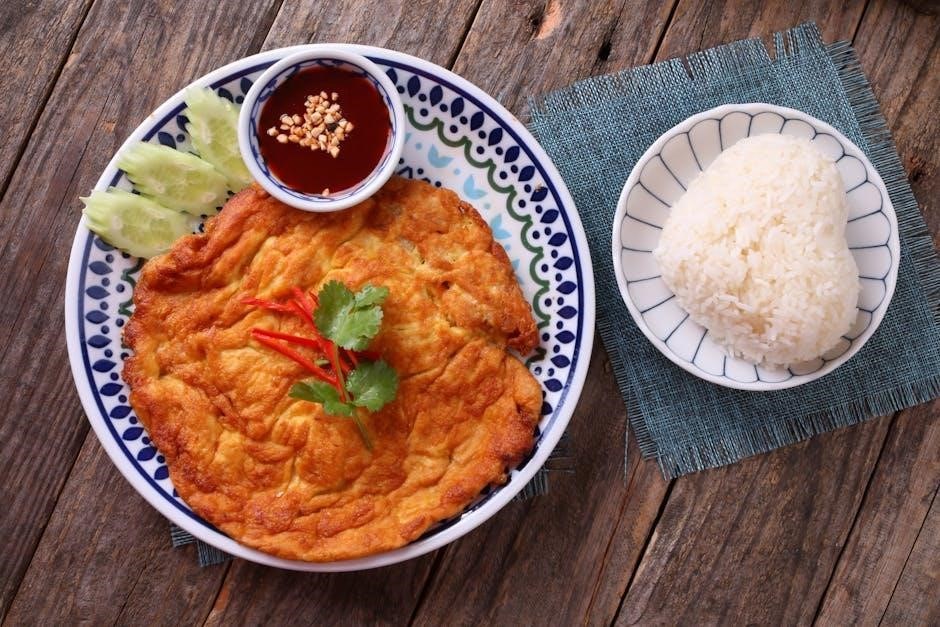
Achieving ideal fluffiness requires thorough rinsing to remove excess starch‚ followed by a crucial resting period after cooking‚ allowing steam to redistribute evenly.
Rinsing the Rice
Rinsing Goya Jasmine Rice is a pivotal step often overlooked‚ yet profoundly impacting the final texture. This process effectively eliminates the surface starch‚ a key contributor to stickiness. Place the measured rice in a fine-mesh sieve and rinse under cold water‚ gently agitating with your hand. Continue rinsing until the water runs clear – typically‚ this requires three to five cycles.
Don’t skip this step! The cloudy water initially indicates released starch. Thorough rinsing prevents the grains from clumping during cooking‚ resulting in beautifully separated‚ fluffy rice. Some prefer to rinse in the cooking pot itself‚ but a sieve offers better control and ensures all the starch is removed. Properly rinsed rice cooks more evenly and presents a superior mouthfeel‚ elevating your dish.
Resting Time After Cooking
Allowing Goya Jasmine Rice to rest after cooking is as crucial as the cooking process itself. Once the rice has finished steaming – whether on the stovetop or in a rice cooker – resist the urge to immediately fluff it. Instead‚ remove it from the heat and let it stand‚ covered‚ for a full 10-15 minutes.
This resting period allows the steam to redistribute evenly throughout the grains‚ completing the cooking process and ensuring a consistent texture. Disturbing the rice prematurely releases valuable moisture‚ potentially leading to dryness. The covered pot traps the steam‚ resulting in perfectly fluffy‚ separate grains. Patience is key; this simple step transforms ordinary rice into a truly exceptional side dish.
Flavor Variations & Serving Suggestions
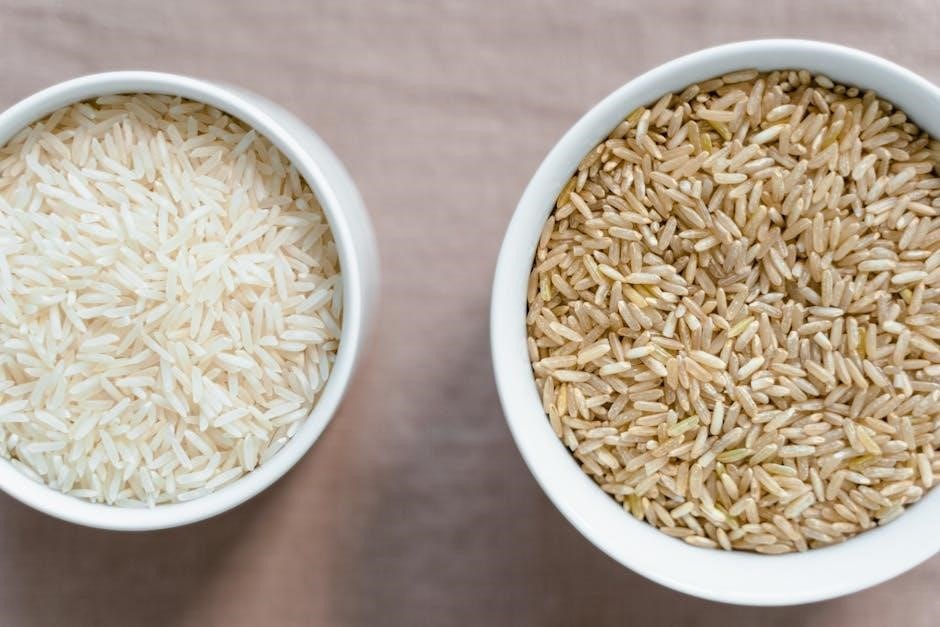
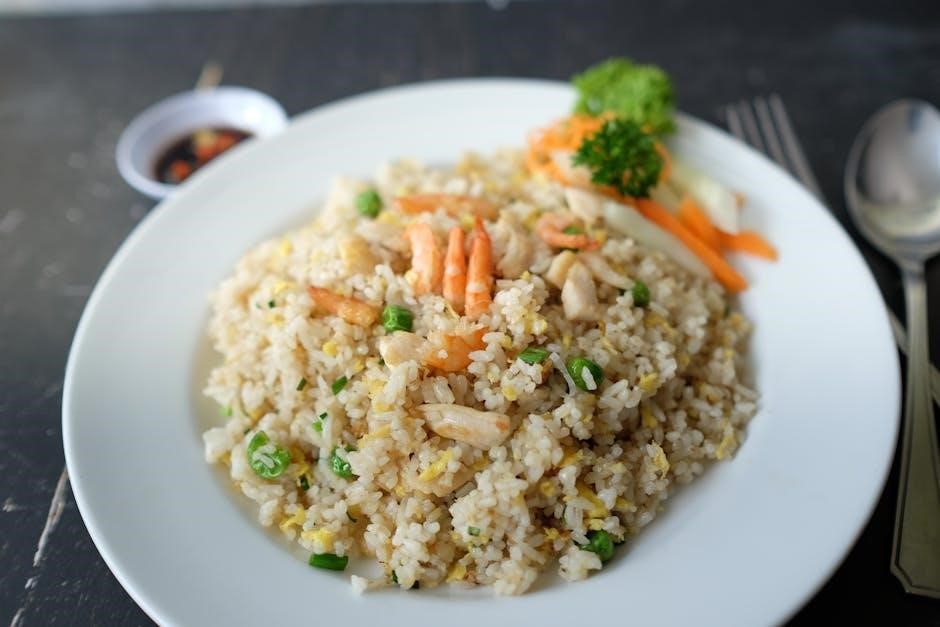
Elevate Goya Jasmine Rice with simple seasonings like herbs‚ spices‚ or a citrus zest; pair it beautifully with stir-fries‚ curries‚ or grilled proteins.
Simple Seasoning Options
Goya Jasmine Rice serves as a fantastic blank canvas for flavor exploration. For a subtle enhancement‚ consider stirring in a teaspoon of butter or a drizzle of sesame oil post-cooking‚ imparting richness and aroma. A pinch of salt is‚ of course‚ essential‚ but don’t be afraid to experiment! Infuse your rice with herbaceous notes by adding finely chopped cilantro‚ parsley‚ or chives after it’s rested.
Spice lovers can introduce a gentle warmth with a dash of turmeric‚ cumin‚ or even a tiny sprinkle of cayenne pepper. For an Asian-inspired twist‚ a splash of soy sauce or a sprinkle of furikake adds umami and texture. Lemon or lime zest brightens the flavor profile‚ offering a refreshing counterpoint to the rice’s natural sweetness. Remember‚ a little seasoning goes a long way – start small and adjust to your preference!
Pairing with Different Dishes
Goya Jasmine Rice’s delicate floral aroma and slightly sticky texture make it incredibly versatile. It’s a classic accompaniment to vibrant Asian cuisines – think stir-fries‚ curries (Thai green‚ Indian‚ or Vietnamese)‚ and flavorful noodle dishes. Its subtle sweetness complements spicy foods beautifully‚ offering a cooling balance.
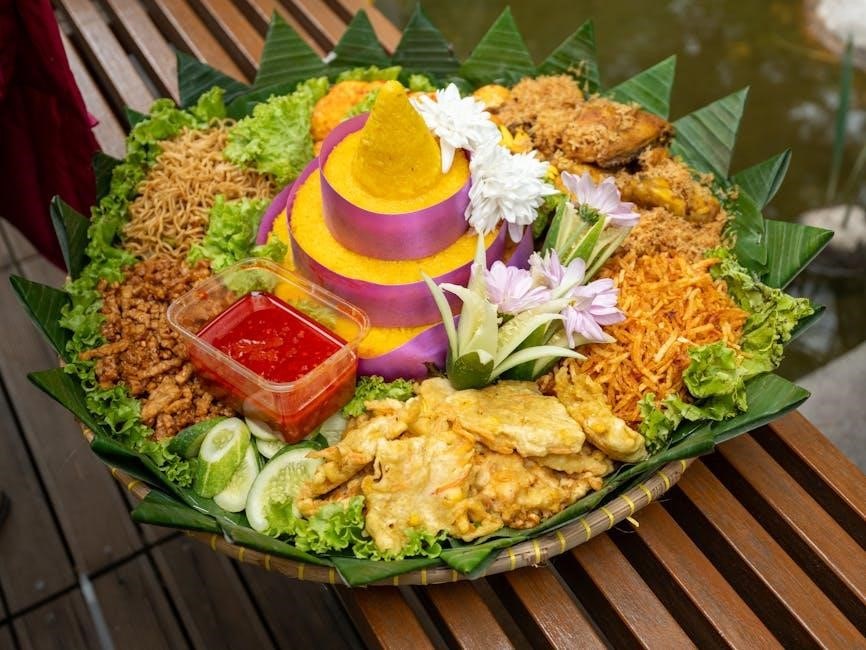
Beyond Asian fare‚ jasmine rice pairs wonderfully with Latin American dishes like Cuban black beans and roasted pork‚ or alongside grilled chicken or fish with a tropical salsa. It’s also a delightful base for Mediterranean bowls‚ topped with hummus‚ falafel‚ and fresh vegetables. Even simple comfort foods‚ like roasted vegetables or a hearty stew‚ are elevated by a side of fluffy jasmine rice. Don’t underestimate its ability to enhance almost any meal!
Storing Leftover Goya Jasmine Rice
Properly stored in airtight containers and refrigerated‚ leftover Goya Jasmine Rice maintains quality for up to four days; reheat thoroughly before enjoying.
Proper Storage Containers
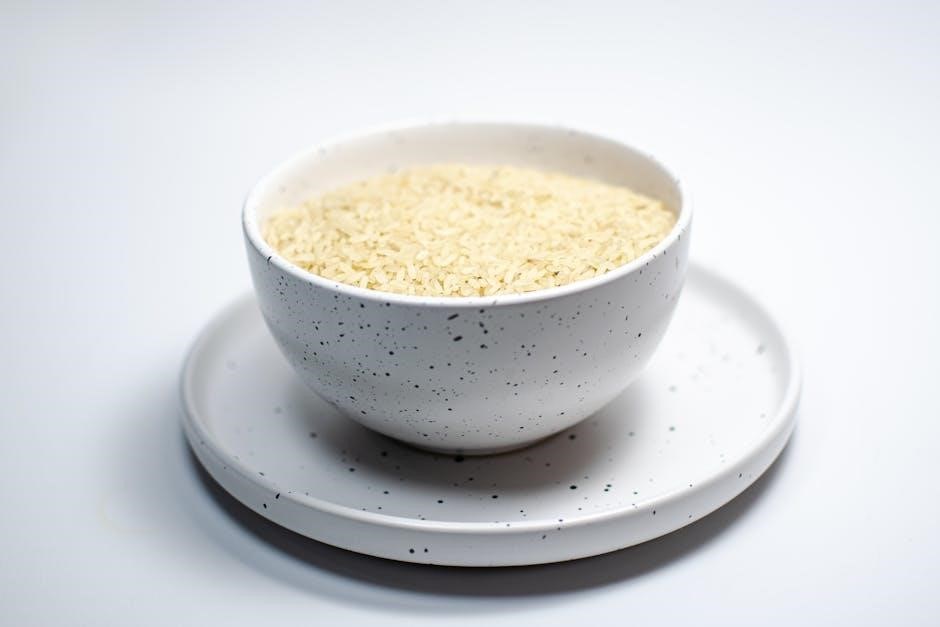
Selecting the right container is crucial for maintaining the quality and safety of your leftover Goya Jasmine Rice. Opt for airtight containers‚ as these prevent moisture and air from affecting the rice’s texture and flavor. Glass containers with tight-fitting lids are an excellent choice‚ offering both preservation and visibility. Alternatively‚ high-quality plastic containers specifically designed for food storage are also suitable.
Avoid storing rice in open bowls or loosely covered dishes‚ as this can lead to dryness or contamination. When portioning the rice for storage‚ consider individual serving sizes to minimize repeated heating and cooling. Ensure the rice has cooled completely before transferring it to the container and refrigerating it promptly – within two hours – to inhibit bacterial growth. Properly sealed containers help preserve the delightful aroma and fluffy texture of Goya Jasmine Rice for several days;
Reheating Techniques
Reheating Goya Jasmine Rice properly ensures it remains palatable and safe to consume. The preferred method involves adding a tablespoon or two of water per cup of rice before reheating. This helps restore moisture and prevents the rice from drying out. You can reheat it in the microwave‚ covered‚ for 1-2 minutes‚ stirring halfway through.
For larger portions‚ or to achieve a more even reheat‚ use the stovetop. Place the rice in a saucepan with the added water‚ cover‚ and heat over low heat for 5-10 minutes‚ stirring occasionally. Avoid high heat‚ as this can cause sticking and uneven cooking. Ensure the rice is heated thoroughly to an internal temperature of 165°F (74°C) before serving. Properly reheated Goya Jasmine Rice should regain its fluffy texture and delightful aroma.