Fromm Puppy Food offers balanced nutrition for growing puppies, featuring premium proteins, essential fats, vitamins, minerals, and a precise calcium-phosphorus ratio to support healthy development. The formula also supplies antioxidants for immune health and a tasty flavor that puppies love!!!!

Key Nutritional Components for Puppies

This section outlines the vital nutrient groups found in Fromm puppy formulas, including high-quality proteins, healthy fats, essential vitamins, chelated minerals, and the critical calcium-phosphorus ratio required for optimal skeletal growth and metabolic function for puppy health growth.
Protein and Amino Acids
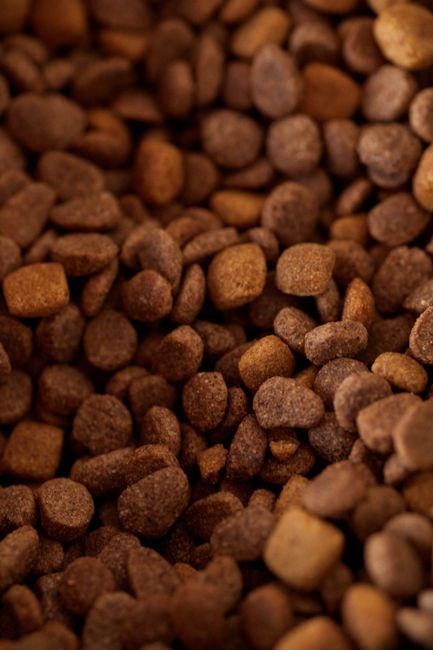
Fromm puppy recipes prioritize animal-based proteins like chicken, duck, lamb, and fish meals to deliver a complete amino acid profile essential for muscle synthesis, enzyme function, and tissue repair. These highly digestible high-quality protein sources provide the ten essential amino acids puppies cannot produce internally, such as lysine, methionine, tryptophan, threonine, valine, isoleucine, leucine, phenylalanine, histidine, and arginine, supporting rapid growth phases and immune resilience. The formulas often blend multiple protein sources to ensure a balanced spectrum and reduce the risk of sensitivities. Protein levels typically range between 26% and 30% on a dry matter basis, aligning with key AAFCO growth standards for all breed sizes. Fresh meat ingredients contribute natural flavor and bioavailability, while concentrated meals offer a dense amino acid yield. This strategic combination ensures that developing puppies receive the nitrogen retention necessary for building strong structural frameworks, healthy skin, and a lustrous coat without overburdening the digestive system. Consistent quality control guarantees amino acid integrity throughout processing. Additionally, the inclusion of egg protein further enhances the biological value, providing a gold-standard reference for digestibility and amino acid scoring. This meticulous approach supports optimal metabolic pathways and cellular regeneration during critical early developmental windows. This commitment ensures puppies thrive during their most strictly vulnerable growth stage.
Fats and Omega Fatty Acids
Fromm puppy formulas incorporate carefully measured fat levels to supply the dense energy required for rapid growth while supporting brain development, skin health, and immune function.Each kibble contains a blend of animal fats, such as chicken fat and fish oil, providing a high proportion of digestible triglycerides that are readily absorbed.The inclusion of omega‑3 and omega‑6 fatty acids, particularly eicosapentaenoic acid (EPA), docosahexaenoic acid (DHA), and linoleic acid, mirrors the fatty acid profile of a mother’s milk, delivering essential polyunsaturated fats that cannot be synthesized by the puppy.DHA is especially critical for retinal and neural maturation, contributing to sharper vision and improved cognition during the formative weeks.Omega‑6 fatty acids support the formation of a robust skin barrier and a glossy coat, reducing dryness and flakiness.Fromm balances the omega‑6 to omega‑3 ratio around 4:1, a range shown to optimize anti‑inflammatory responses without compromising growth.The total fat content, expressed on a dry‑matter basis, typically falls between 12% and 15%, delivering approximately 9,000 kcal/kg of metabolizable energy, which aligns with the caloric demands of active puppies.For small‑breed litters, the higher energy density aids in maintaining body temperature, while larger breeds benefit from the sustained release of fuel during prolonged play.Fromm includes tocopherols to guard fats from oxidation keeping flavor.
Vitamins and Minerals
Fromm puppy recipes are fortified with a complete spectrum of essential vitamins and chelated minerals to support metabolic pathways, bone formation, and immune resilience. Vitamin A, supplied as retinyl acetate, promotes vision and epithelial integrity, while vitamin D3 enhances calcium absorption and skeletal mineralization. Vitamin E, in the form of mixed tocopherols, acts as a potent antioxidant protecting cell membranes from oxidative stress during rapid growth. The B‑complex group, including thiamine, riboflavin, niacin, pyridoxine, folic acid, and cyanocobalamin, drives energy metabolism and red blood cell synthesis. Minerals such as zinc, iron, copper, manganese, selenium, and iodine are provided in highly bioavailable chelated forms to maximize uptake and reduce gastrointestinal irritation. Balanced levels of potassium, sodium, and chloride maintain electrolyte homeostasis, and the inclusion of choline supports liver function and neurotransmitter production. All micronutrients meet AAFCO puppy nutrient profiles, ensuring that each meal delivers the precise amounts required for healthy development without excess. The recipe also delivers trace minerals such as chromium, molybdenum, and boron in highly bioavailable chelated forms to support enzymatic pathways, while a precise vitamin K1 to K2 ratio encourages proper coagulation and bone matrix synthesis, and added lutein enhances retinal development during the critical growth window. Minerals aid growth.

Calcium‑Phosphorus Balance
Fromm’s puppy formulas are crafted to maintain a calcium‑phosphorus ratio that aligns with the mineral demands of rapidly growing bone and teeth. The target ratio is kept between 1.2 : 1 and 1.4 : 1, meeting AAFCO growth‑stage specifications and ensuring optimal hydroxyapatite formation. Calcium is supplied from highly bioavailable sources such as bone meal, dicalcium phosphate, and calcium carbonate, while phosphorus derives from meat‑based proteins and added mineral phosphates, creating a synergistic balance that supports skeletal strength. This precise balance helps prevent developmental disorders like osteochondrosis, rickets, and premature closure of growth plates, conditions that arise from excess calcium or insufficient phosphorus. Over‑supplementation of calcium can inhibit phosphorus absorption, leading to weakened bone density, whereas excess phosphorus may reduce calcium utilization, compromising tooth enamel integrity. Fromm incorporates chelated mineral complexes to improve intestinal uptake and reduce the risk of mineral precipitation in the kibble matrix. Feeding recommendations advise measuring portions based on the puppy’s current weight and activity level, then dividing the total into three to four meals per day, with gradual adjustments to the calcium‑phosphorus ratio as the animal approaches six months of age; Regular veterinary evaluations confirm that the mineral balance remains within the optimal range throughout the growth phase.!!

Selecting the Appropriate Fromm Formula
Choose a formula based on your puppy’s breed size, age, and any sensitivities; consult the label for protein level, grain inclusion, and calorie density to match growth needs. Adjust portions as weight changes and keep fresh water always available.
Fromm Gold Puppy
Fromm Gold Puppyis a flagship multi-protein formula for puppies of all breeds during their critical growth window. The recipe showcases a diverse protein matrix including chicken, duck, lamb, whole eggs, and real Wisconsin cheese, delivering a comprehensive amino acid spectrum for lean muscle growth. Wholesome grains like oatmeal, pearled barley, and brown rice provide complex carbs for sustained energy and prebiotic fiber for gut health. A key component is salmon oil, supplying DHA for neural development, retinal health, and a glossy coat. The formula includes guaranteed live probiotics—Lactobacillus acidophilus, Bifidobacterium animalis, and Enterococcus faecium—to stabilize digestion and bolster immunity. Antioxidant-rich produce like apples, carrots, spinach, and blueberries provides vitamins, polyphenols, and carotenoids against oxidative stress. Kibble geometry is engineered for small jaws, promoting mechanical cleaning and safe swallowing. Produced in Fromm’s family-owned Wisconsin kitchens, every batch undergoes pathogen screening and nutrient verification. Free from corn, wheat, soy, and artificial preservatives, this diet supports stool quality, energy, and milestones from weaning through adolescence, in five, fifteen, and thirty-pound bags. Chelated minerals ensure superior bioavailability, maximizing skeletal mineralization during rapid growth. Vitamin E exceeds AAFCO minimums to protect cellular membranes from free radical damage. Palatability trials show high acceptance among finicky eaters, reducing mealtime stress. When switching, a gradual seven-day transition mixing increasing proportions minimizes gastrointestinal upset and ensures adaptation to the nutrient-dense profile daily!
Fromm Puppy
Fromm Puppy is a classic, grain-inclusive dry kibble formulated to meet the nutritional needs of puppies from eight weeks to one year. The recipe blends high‑quality animal proteins—chicken, turkey, and lamb—providing essential amino acids for muscle development and tissue repair. Whole grains such as oatmeal, barley, and brown rice supply digestible carbohydrates, fiber, and B‑vitamins that support steady energy release and healthy gut flora. Added salmon oil delivers omega‑3 DHA and EPA, crucial for brain growth, retinal function, so a shiny coat. The formula incorporates a balanced calcium‑phosphorus ratio, fortified with chelated minerals to promote strong bone formation during rapid skeletal growth. Antioxidant‑rich fruits and vegetables, including apples, carrots, spinach, and blueberries, contribute vitamins A, C, and E, as well as phytonutrients that combat oxidative stress. Live probiotic cultures—Lactobacillus acidophilus, Bifidobacterium animalis, and Enterococcus faecium—are included to enhance digestion and immune resilience. Each kibble is sized for small jaws, encouraging proper chewing and dental health. Produced in Fromm’s family‑owned facilities in Wisconsin, the diet adheres to strict quality controls, with no artificial colors, flavors, or preservatives. Feeding guidelines recommend starting with a measured portion based on the puppy’s current weight and activity level, then adjusting as the animal matures. A short transition eases adjustment.
Grain‑Free Options
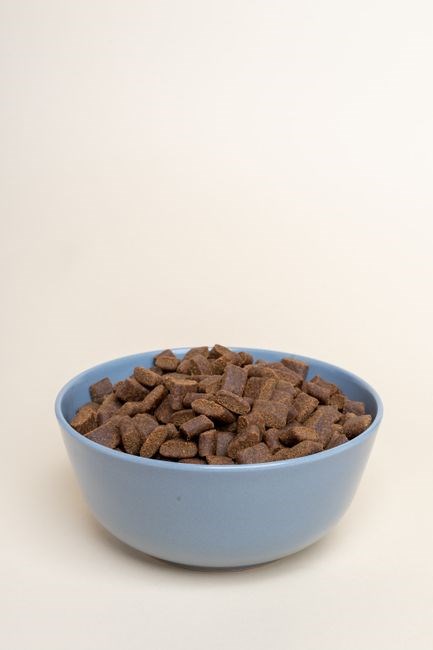
Fromm’s grain‑free puppy recipes replace cereals with nutrient‑dense legumes, sweet potatoes, and peas, delivering highly digestible carbohydrates while avoiding allergens like wheat, corn, and soy. The flagship Heartland Gold Puppy formula showcases a protein‑rich blend of beef, pork, and lamb, complemented by whole eggs and cheese for a complete amino‑acid profile fueling rapid muscle accretion. Alternative Four‑Star selections—including Prairie Gold Puppy with duck, chicken, and turkey, plus Surf & Turf Puppy featuring salmon, whitefish, and duck—offer novel protein rotations reducing food sensitivity risks. Each recipe supplies DHA‑rich salmon oil for cognitive and visual development, alongside a precise calcium‑phosphorus ratio calibrated for controlled skeletal growth. Antioxidant complexes from blueberries, cranberries, spinach, and kale bolster immune defenses during the critical socialization window. Live, viable probiotics survive the kibble coating process to colonize the gut, enhancing nutrient absorption and stool quality. Kibble size and density are precisely engineered for developing jaws, encouraging beneficial mechanical cleaning action. Manufactured in small batches at Fromm’s Wisconsin plant, these diets undergo rigorous pathogen testing and complete nutrient verification. Transition gradually over seven to ten days, monitoring stool consistency and energy levels, then follow the precise weight‑based feeding chart on the bag, adjusting daily portions as the puppy approaches its optimal adult weight today.

Feeding Schedule and Portion Control
Establish consistent meal times to regulate digestion and house training. Divide daily rations into multiple servings based on age, adjusting portions as weight increases. Monitor body condition closely to prevent overfeeding or excessive growth rates. Provide fresh water at all times now.


Age‑Based Feeding Frequencies
Puppies require frequent meals to sustain very rapid growth and stabilize blood sugar levels. From weaning at four weeks until approximately three months of age, offer four evenly spaced meals per day using the recommended Fromm puppy formula appropriate for breed size. Between three and six months, reduce frequency to three daily feedings as digestive capacity expands and growth rate moderates considerably. From six months to one year, transition to two meals per day, aligning with adult feeding patterns while still supporting final developmental stages. Toy and small breeds often mature faster, potentially moving to two meals by five months, whereas large and giant breeds may benefit from maintaining three meals slightly longer to reduce bloat risk and manage caloric intake safely. Always consult the specific Fromm bag feeding chart for precise cup measurements corresponding to your puppy’s current weight and expected adult size. Consistency in timing reinforces house‑training efforts and establishes a predictable metabolic rhythm. Observe stool quality and energy levels; adjust portions slightly if digestive upset occurs. Avoid free‑feeding to prevent obesity and ensure accurate intake monitoring. Fresh water must be available continuously throughout the day for optimal hydration. Assess body condition score by feeling ribs and waistline to verify feeding frequency supports ideal growth. Select Fromm Gold Puppy based on ingredient preferences for your specific breed. Veterinary guidance is essential for puppies with unique health conditions requiring customized schedules. Record daily intake and weight weekly to track progress accurately. Monitor closely now!!
Weight and Activity Adjustments
Adjusting Fromm puppy food portions based on body condition and activity level is critical for preventing obesity or malnutrition during rapid development for your specific growing companion. Start with the feeding chart on the bag as a baseline, but treat it as a starting point rather than a rigid rule requiring adherence based on manufacturer’s guidelines. Weigh your puppy weekly and assess body condition score by feeling ribs—they should be easily palpable with a thin fat cover—and observing a visible waist from above using a nine-point scale. If ribs are difficult to feel, reduce the daily ration by ten percent; if ribs are prominent, increase by ten percent. Highly active puppies engaged in training, play, or work may require up to twenty percent more calories than sedentary littermates depending on the intensity and duration of daily sessions. Conversely, puppies recovering from illness or restricted exercise need fewer calories to avoid excess weight gain that stresses developing joints. Large breed puppies are especially sensitive to overfeeding, which can exacerbate orthopedic issues like hip dysplasia; maintain a lean body condition score of four out of nine throughout the entire growth period. Divide the adjusted daily total into the appropriate number of meals for the puppy’s current age. Reassess body condition every two weeks and modify portions accordingly. Treats should not exceed ten percent of total daily calories; deduct treat calories from the main meal allowance. Always provide fresh water. Consult your veterinarian for personalized caloric calculations if unsure. Consistent monitoring ensures optimal growth trajectory and lifelong health outcomes while preventing developmental disorders effectively now.
Transitioning to Adult Food
Switching from puppy formula to adult maintenance food requires a gradual process spanning seven to ten days to avoid digestive upset and ensure nutrient absorption remains optimal for the maturing dog. Begin by mixing twenty-five percent adult food with seventy-five percent puppy food for the first two days, observing stool quality and appetite closely during this initial phase. Increase the adult proportion to fifty percent for days three and four, then seventy-five percent for days five and six, monitoring for any signs of loose stools, vomiting, or decreased appetite that might indicate intolerance. By day seven or eight, the bowl should contain one hundred percent adult formula, completing the dietary shift successfully. Timing depends heavily on breed size; small breeds often transition around nine to twelve months, medium breeds near twelve months, and large or giant breeds may require puppy nutrition until fourteen to eighteen months to support extended skeletal development. Select an adult formula matching the puppy’s current protein level and ingredient profile to minimize palatability issues. Maintain the established feeding schedule and portion control methods, adjusting total calories downward since adult maintenance energy requirements are lower than growth needs. Regular body condition scoring remains essential post-transition to prevent weight gain. Consult your veterinarian to confirm the ideal switch timeline for your specific puppy’s breed, size, and health status before initiating the change. Fresh water must always be available throughout the transition period and beyond for proper hydration and metabolic function always